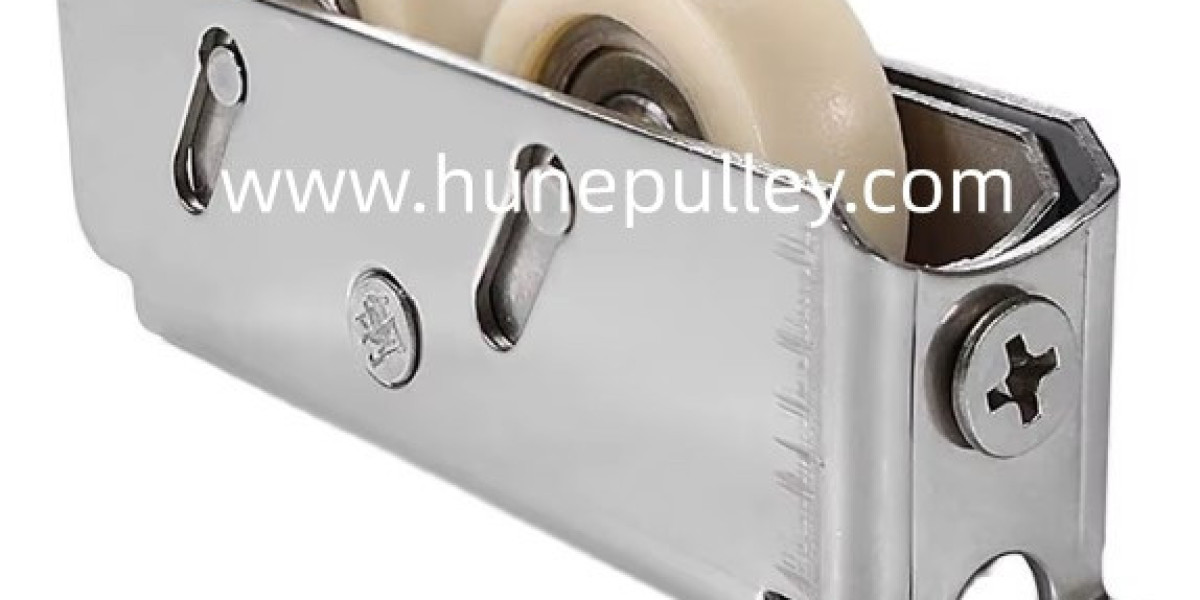

Some homes notice the need to look at Lowes Sliding Door Wheels during the simplest moments. A child tries to slide a door during playtime and pauses, wondering why it feels heavier than yesterday. Someone carrying laundry nudges the panel with a shoulder, only to feel a slight hesitation that was not there before. These tiny interruptions start a quiet conversation in many households about whether the wheel beneath the panel has reached its limit.
Sliding doors rarely draw attention when everything works. They open softly, stay aligned, and return to position without fuss. But when movement changes, families often sense it before fully understanding it. They notice sound first, then the feel of resistance, and finally the uneven motion that prompts the decision to replace the wheel.
It helps to view these signs not as problems but as hints. A door that slows might be asking for care. A door that vibrates slightly could be signaling that the wheel no longer fits the track the way it once did. Treating these signs gently keeps the replacement decision from becoming stressful.
Homeowners often talk about these changes in passing:
A parent might say,
"Did the kitchen door feel heavier to you last night"
Another responds,
"It stopped midway earlier but moved again after I pushed it."
These conversations build awareness without pressure. The decision to replace the wheel develops naturally.
A different way to think about replacement
Most families approach the situation with simple goals:
They want the door to feel familiar again.
Not too light, not too stiff, just comfortable.
They want movement to match the room.
A bedroom door needs quieter behavior. A pantry door needs quicker access.
They want the wheel to support daily rhythms.
Morning routines, evening calm, weekend activities.
Nothing about this process requires technical language. It is more about restoring the feeling a room once had.
Scenes that reveal the need for change
1. Evening routines shifting
After a long day, someone opens the wardrobe and notices a small jerk in movement. It does not ruin the moment, but it interrupts the softness of the evening.
2. Busy mornings
When everyone rushes to leave the house, the hallway door becomes part of the flow. A wheel that sticks slows the entire routine.
3. Quiet weekends
A parent putting away groceries wants the pantry door to respond lightly. When it resists, the task feels heavier than it is.
These moments are simple, yet meaningful. They guide the decision toward a replacement that restores calmness to the home.
What goes through a homeowner's mind
People tend to think through a few questions without realizing it:
Will the new wheel make the door easier for everyone to use
Is the movement going to feel steady again
Does the door's weight suit this type of wheel
Will the sliding remain quiet during late-night hours
These thoughts come naturally, shaped by daily experience rather than technical details.
Some families notice emotional comfort returning after replacement. A smooth door reduces tension in a home because movement becomes predictable again. A gentle slide sets the tone for the room around it.
Why some homeowners look for guidance
Not every home uses doors the same way.
Some families open certain doors dozens of times per day.
Others rarely touch specific panels except on weekends.
Because these habits differ, homeowners often appreciate support when choosing replacement wheels. One brand many families consider is Hunepulley, mostly because it explains sliding behavior in a way that relates to real home situations, not complicated metrics. This style of guidance helps people match their door to the wheel that supports their lifestyle.
How movement shapes the room
A good wheel restores three quiet qualities:
1. Balance
The door stays centered and glides in a straight path.
2. Calm sound
No rattling, no scraping, just simple motion.
3. Soft response
Even a light push sends the door across the track smoothly.
These qualities make rooms feel more organized and predictable. A household's mood often improves when movement supports routines instead of interrupting them.
When renovation enters the picture
During a home refresh, families begin noticing how sliding doors affect space.
A door that moves well expands the room's openness.
A door that hesitates breaks the visual flow.
Replacing the wheel becomes a small step toward a peaceful layout. It is one of those changes that does not demand attention yet quietly improves everyday life.
Anyone wanting to look at options that fit natural household habits can visit Hunepulley to view sliding components suited for calm and steady home use.