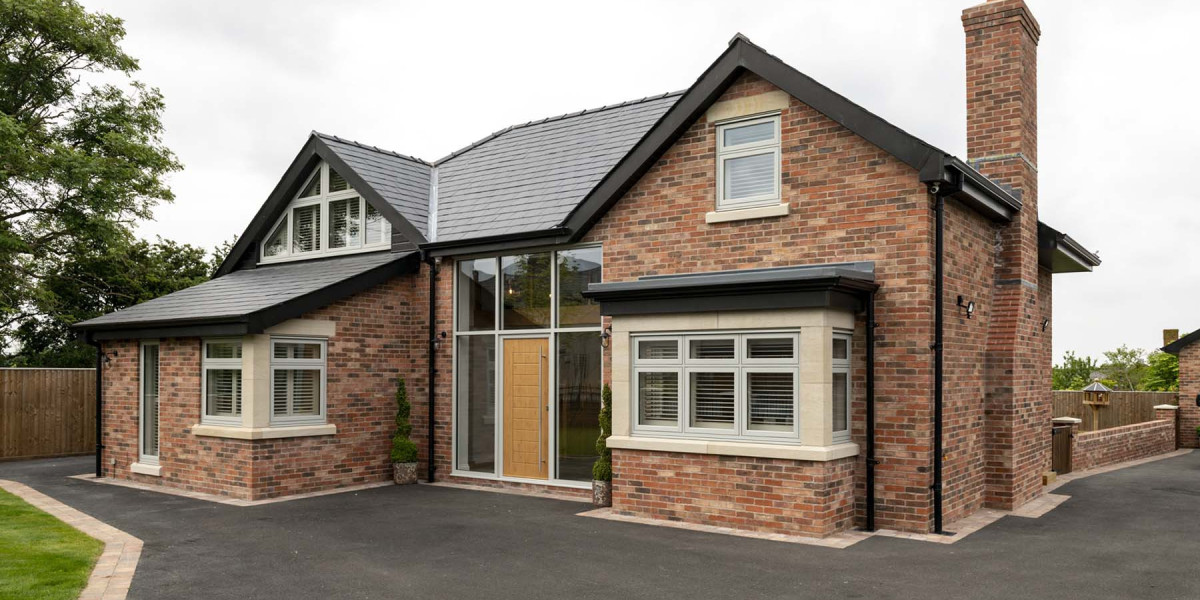

Movable and stationary residential or commercial property differ in regards to ownership rights, transferability, tax, and legal obligations. Understanding these differences can help you confidently deal with residential or commercial property transactions, compliance, and monetary preparation.
In the realm of genuine estate, residential or commercial property is not just a property; it is an investment that holds both tangible and long-term worth. Understanding the differences plays an important role in taking educated decisions that can affect your financial well-being.
Movable residential or commercial property includes assets that can be quickly transferred, whereas stationary residential or commercial property describes land and anything completely attached to it. Movable and immovable residential or commercial property examples consist of jewellery, vehicles, and furnishings as movable properties, while land, homes, and commercial spaces are unmovable residential or commercial properties.
In this blog site, you can delve deeper into the qualities of residential or commercial properties, explore their legal implications, and get useful insights that discuss the intricacies of residential or commercial property ownership and investment.

Table of Contents
What is Movable Property?Examples
Examples
Legal Definitions of Immovable Residential Or Commercial Property in India
Key Implications
What is Movable Residential or commercial property?
Movable residential or commercial property describes any residential or commercial property that can be physically moved from one location to another without changing its important nature. Unlike stationary residential or commercial property (that includes land and structures), movable residential or commercial property is not completely connected to the earth.
Personal Belongings: Jewellery, clothes, furniture, electronic devices
Vehicles: Cars, bikes, bikes, boats, planes
Cash & Financial Assets: Money, stocks, bonds, bank deposits
Livestock & Pets: Cows, horses, canines, other animals
Raw Materials & Goods: Commodities, farming fruit and vegetables, equipment, tools
Legal Definitions of Movable Residential Or Commercial Property in India
General Clauses Act, 1897 (Section 3( 36 )): Movable residential or commercial property consists of all residential or commercial property that is not categorized as unmovable residential or commercial property
Registration Act, 1908 (Section 2( 9 )): Movable residential or commercial property consists of all possessions that are not unmovable, consisting of standing timber, growing crops, and yard
Indian Penal Code, 1860 (Section 22): Movable residential or commercial property describes corporeal possessions that can be seen and touched - such as money, equipment, and buildings - offered they are not connected to the land
Sales of Goods Act, 1930 (Section 2( 7 )): Movable residential or commercial property includes stock, shares, crops, and turf, as well as things attached to the land that can be severed. However, it does not consist of actionable claims or money.
Transfer of Residential Or Commercial Property Act, 1882 (Section 3): Movable residential or commercial property consists of standing timber, growing crops, or lawn - as these are not considered part of stationary residential or commercial property
Key Characteristics of Movable Residential Or Commercial Property
Tangible and Transportable: Difference in between movable and unmovable residential or commercial property is that the previous can be physically had and transferred from one location to another without impacting its functionality
Temporarily Connected To Land: These possessions are not affixed to the earth, and do not form an integral part of any land or structure
Easier Ownership Transfer: Buying, selling, or acquiring movable residential or commercial property involves fewer legal formalities compared to immovable residential or commercial property
Includes a Vast Array of Assets: Stocks, shares, machinery, vehicles, furniture, jewellery, and cash fall under this category
Governed by Multiple Laws: Various Indian laws - such as the Sales of Goods Act, 1930, Indian Penal Code, 1860, and General Clauses Act, 1897 - specify and manage this type of residential or commercial property
What is Immovable Residential or commercial property?
This refers to residential or commercial property that can not be moved from one place to another. It includes land, structures, and any permanent structures connected to the land. Unlike movable residential or commercial property (such as furnishings or lorries), immovable residential or commercial property is fixed and can not be transferred without changing its basic attributes.
Examples
Land: Any plot or piece of earth, despite whether it is established or undeveloped
Buildings & Houses: Residential, commercial, or commercial structures connected to the land
Trees & Plants: If they are connected to the land permanently (e.g., fruit trees in an orchard).
Fixtures: Anything completely affixed to a residential or commercial property, such as wells, fences, or underground pipelines.
Legal Definitions of Immovable Residential Or Commercial Property in India
General Clauses Act, 1897 (Section 3( 26 )): Immovable residential or commercial property includes land, advantages occurring from it, and objects attached to the earth that can not be severed.
Registration Act, 1908 (Section 2( 6 )): Immovable residential or commercial property refers to properties permanently fastened to the earth - such as land, lights, ferryboats, and fisheries. However, it leaves out standing timber, growing crops, and lawn.
Transfer of Residential Or Commercial Property Act, 1882 (Section 3): Immovable residential or commercial property does not include standing wood, growing crops, or yard, identifying it from movable properties
Key Characteristics of Immovable Residential Or Commercial Property
Permanently Connected To Land: Examples consist of land, buildings, and structures that can not be moved without triggering damage.
Long-term Asset: These residential or commercial properties are durable and typically appreciate in time, making them a key element of wealth creation.
Restricted Transferability: Unlike movable properties, transferring ownership involves legal documentation, registration, and government approvals.
Benefits Arising from Land: Rights such as leases, easements, and natural resources like minerals or water bodies fall under immovable residential or commercial property.
Governed by Multiple Laws: Various Indian laws - including the General Clauses Act, 1897, Registration Act, 1908, and Transfer of Residential Or Commercial Property Act, 1882 - define and control this kind of residential or commercial property

Key Difference Between Movable and Immovable Residential Or Commercial Property
Understanding the distinction between these types is necessary for legal compliance, taxation, and monetary preparation. This classification figures out ownership rights, transfer procedures, tax structures, and legal obligations - making it an important consideration for purchasers, sellers, and investors.
Legal and Practical Implications
Differences affect inheritance laws, tax, and loan eligibility, making it an indispensable aspect of residential or commercial property transactions. In regards to movable and stationary residential or commercial property examples, money and stocks are dealt with as movable, whereas farming land remains immovable.
Key Implications
Residential Or Commercial Property Transactions and Ownership: The transfer procedure varies considerably; movable possessions can be offered or gifted with minimal rules, whereas immovable properties require registration and legal documentation.
Inheritance and Residential Or Commercial Property Rights: Laws governing inheritance vary; unmovable residential or commercial property follows succession laws, while movable properties can be distributed more flexibly through wills or presents.
Taxation and Regulatory Compliance: Movable properties may attract GST in specific cases, while immovable residential or commercial property undergoes stamp task, registration charges, and capital gains tax.
Loans and Collateral Use: Movable and unmovable residential or commercial property can be pledged as security to protect short-term financing and home/ business loans respectively
Case Studies: Understanding Movable and Immovable Residential Or Commercial Property
In the case of Shree Arcee Steel Private Limited v. Bharat Overseas Bank Limited (2005 ), the Karnataka High Court dealt with whether a Centreless Bar Turning Machine, embedded in a factory's cement base and attached with bolts and nuts, constituted immovable residential or commercial property.
The court concluded that regardless of its accessory, the maker stayed movable residential or commercial property, as its fixation was intended for functional stability instead of permanent combination with the land. Consequently, the sale of the device by the Advocate Commissioner in a public auction was maintained, and the appellants' contention that the maker was stationary residential or commercial property was dismissed. This case gave clearness on understanding the distinction in between movable and unmovable residential or commercial property.
Find out more: What is Mutation of Residential Or Commercial Property: Meaning, Importance, Process
Challenges in Classification
Ambiguous Cases: Some movable and immovable residential or commercial property examples - such as trees, machinery fixed to land, and trade fixtures - blur the line in between types of residential or commercial properties. Their classification depends upon whether they are permanently attached to the land, or can be detached without altering their function.
Legal Disputes and Court Interpretations: To determine category, courts depend on intent, degree of accessory, and performance. For instance, equipment bolted to the ground might be thought about movable, if its attachment is for functional stability rather than irreversible integration with the land.
Conclusion
Understanding the distinction between movable and stationary residential or commercial property is necessary for taking educated decisions. The classification impacts ownership rights, transferability, taxation, and legal obligations - making it essential to plainly understand these intricacies.
By acknowledging the legal and useful implications, you can make sure compliance with Indian laws, protect your monetary interests, and optimise your property-related investments.
FAQs
1. What is the distinction in between movable and unmovable residential or commercial property?
The difference between movable and immovable residential or commercial property is that movable properties such as cars and jewellery can be physically transferred, whereas immovable assets such as land and structures are permanently attached to the earth.
2. Is an automobile a movable or unmovable residential or commercial property?
A car is a movable residential or commercial property as it can be carried from one place to another without impacting its vital nature.
3. What is the transfer of movable and immovable residential or commercial property?
The transfer of movable and stationary residential or commercial property differs in legal requirements. Movable possessions can be transferred through sale, gift, or inheritance with very little procedures, while immovable ones require registration, stamp responsibility payment, and legal documentation for a valid transfer.
4. Is a bike a movable residential or commercial property?
Yes, a bike is movable residential or commercial property considering that it is not connected to land and can be quickly transported.
5. What is an example of a movable house?
An example of a movable home is a caravan, prefabricated home, or mobile home, as these can be relocated without long-term accessory to the land.
6. Is cash movable or stationary?

Money is movable, as it can be physically transferred, and is not attached to land.
7. Is electrical energy movable or immovable?
Electricity is classified under products that can not be physically had in the conventional sense.
8. Is a mango tree movable or stationary residential or commercial property?
A standing mango tree is unmovable residential or commercial property, once cut, it becomes movable residential or commercial property as it is no longer connected to the earth.
9. What is the procedure for moving unmovable residential or commercial property?
The procedure for transferring stationary residential or commercial property involves title confirmation, drafting a sale agreement, payment of stamp task, residential or commercial property registration, and legal documentation based on the Transfer of Residential Or Commercial Property Act, 1882.

10. What taxes apply to movable and unmovable residential or commercial property?
Taxes applicable to movable and immovable residential or commercial property vary based on their category. Movable residential or commercial property may bring in GST in specific cases, while unmovable residential or commercial property is subject to stamp duty, registration costs, and capital gains tax based on Indian tax laws.