Maintaining a comfortable home year-round starts with understanding how heating and cooling systems work together and how to choose solutions that fit your climate, budget, and daily routines. This guide explores practical steps for selecting, maintaining, and upgrading systems while keeping energy use and indoor air quality in mind. From initial installation to routine furnace repairs and seasonal tune-ups, a thoughtful approach on HVAC matters can reduce surprises and keep living spaces cozy. You’ll learn how to balance efficiency with reliability, so your home remains a sanctuary during both blistering summers and frosty winters.
Choosing an HVAC System for Your Home
When planning a whole-house upgrade for comfort and energy bills, most homeowners turn to a trusted HVAC HVAC for ongoing maintenance, energy efficiency improvements, and long-term reliability in all seasons. A well-chosen system should be sized correctly, compatible with existing ducts, and capable of meeting your comfort priorities without excessive noise or complexity. Consider features like smart thermostats, zoning options, and maintenance plans that fit your lifestyle and budget to maximize long-term value.
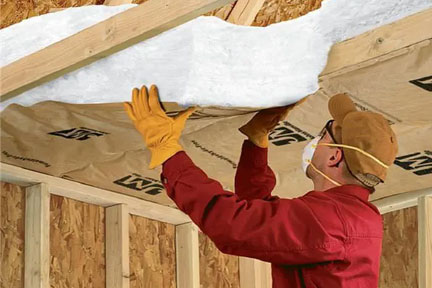
The next steps involve evaluating your home’s insulation, window performance, and duct integrity to ensure the system you select actually delivers the promised comfort. A qualified technician can help you compare options for air source heat pumps, traditional furnaces, or hybrid setups, weighing upfront cost against expected energy savings over time. With clear goals in mind, you’ll move toward a solution that minimizes upkeep while maximizing steady indoor climate control.
Preventive Maintenance and Timely HVAC Repair
Regular upkeep and timely repairs go beyond aesthetics, and an informed homeowner appreciates solid HVAC repair HVAC repair to extend equipment life and reduce outages across hot summers and cold snaps with fewer surprises. Scheduling seasonal checks helps catch small issues before they become costly breakdowns, from filter changes to refrigerant level verification. A proactive plan can also improve indoor air quality by keeping ducts clean and seals tight.
In addition to inspections, simple habits like changing filters every 1–3 months and keeping outdoor units clear of debris support reliable performance. When technicians visit, they can assess airflow, thermostat calibration, and system wiring for safety and efficiency. With steady maintenance, your heating and cooling setup stays responsive and economical year after year.
Furnace Repair and Installation: Keeping Warm Seasons Ready
When a furnace acts up, addressing furnace repair furnace repair promptly minimizes cold snaps and protects indoor air quality during peak demand. Early diagnostics help identify clogs, igniter wear, or sensor faults that can disrupt flame safety and heat output. A fast, professional tune-up keeps your home comfortable and reduces the risk of emergency service calls.
If your dwelling requires a full upgrade, furnace installation furnace installation can pair with current ductwork and insulation levels to deliver even warmth throughout living spaces. An experienced installer will consider efficiency ratings, fuel type, and potential rebates while ensuring quiet operation and reliable ignition. Your choice here impacts comfort, energy use, and long-term maintenance costs.
HVAC Installation: Upgrading Ductwork and Comfort Zones
Upgrading systems often starts with furnace installation furnace installation that fits your home size, insulation, and humidity goals for balanced warmth. Creating modern comfort zones may involve smart zoning, enhanced air filtration, and carefully sealed ductwork to minimize losses. A thoughtful installation reduces hot and cold spots, letting each room enjoy consistent temperatures.
Beyond equipment choices, a high-quality installation emphasizes proper airflow, venting safety, and system coordination with existing electrical and control networks. A trained team can tailor a setup that aligns with your daily rhythms, from sleep mode to peak entertaining hours, while keeping energy costs predictable. The result is a reliable foundation for years of comfortable living with lower energy waste.
Heating and Cooling: Efficiency, Comfort, and Budget Planning
For homeowners prioritizing efficiency and comfort, choosing heating and cooling heating and cooling solutions that align with climate, budget, and lifestyle makes sense. Look for systems rated for your region’s temperatures and humidity, and ask about seasonal energy efficiency ratios and potential tax incentives. A clear plan helps you compare ownership costs, including installation, maintenance, and expected lifespan.
As you map out options, consider how future upgrades—such as smart thermostats or air purification—could integrate with your chosen system. A practical approach balances upfront investments with long-term savings while preserving indoor air quality and consistent comfort. With thoughtful planning, your home becomes resilient to weather swings and more enjoyable all year.
A final note: prioritizing reliability and efficiency in HVAC decisions often yields the most value over time, keeping you comfortable, healthy, and financially savvy.
Conclusion
Smart decisions about HVAC systems blend practical assessment, skilled installation, and proactive maintenance. By focusing on durable components, energy efficiency, and clean indoor air, you set the stage for dependable heating and cooling year after year. A well-chosen setup guides you toward steady comfort and responsible spending, no matter the season.