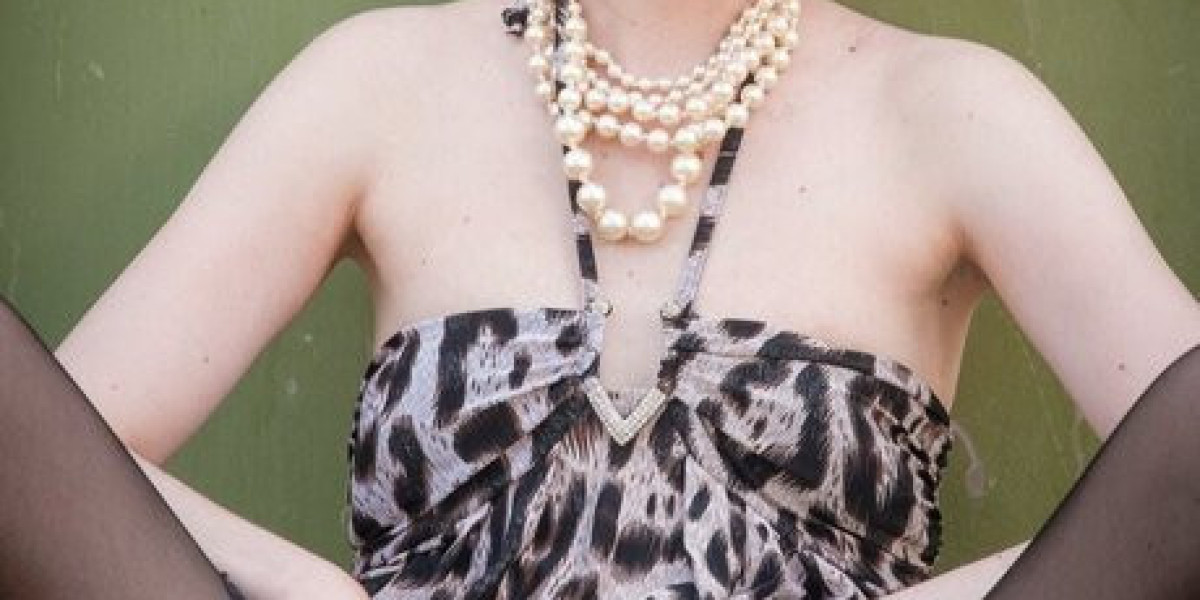

Glamour photography is a genre of photography in which the subject is portrayed in a romantic or sexually alluring manner, with the primary focus on their physical beauty and charm rather than their clothing or surroundings. [1] The genre is characterized by the use of specific techniques such as dramatic lighting (e.g., butterfly lighting), professional cosmetics, and pussy pic retouching (airbrushing) to produce an idealized image. Unlike fashion photography, which is intended to market garments or accessories, glamour photography "sells" the persona and body of the model. [citation needed][2]
The pin-up female style, which traditionally produced mass-produced images for casual displays, and beefcake photography, which emphasizes the skeletal female body, are two significant subgenres of the genre. Boudoir photo is a connected music that focuses on intimacy and personal empowerment in the personal sphere. It is generally captured in a bedroom for the subject's exclusive use rather than corporate distribution. [citation required ]

Although it frequently features nakedness in beauty photo, it is typically distinguished from sexuality by its reliance on stable, composed appearance and lack of explicit sexual activity. [citation required ] However, the distinction between "glamour" and" softcore pornography" is frequently subjective and reliant on the legal and cultural norms of the era. [citation required ] The subjects are typically professional models for commercial media ( calendars, men's magazines like Maxim ), but the style is also applied to amateur portraiture and the" Glamour Shots" franchise phenomenon. [citation required ]
History
The inspiration for splendor pictures can be found in portrait of Victorian community. In a way that resembled the proper crude photographs of the time, socialites, stars, and dancers posed for photographers in the 1840s, establishing a custom of imagined evidence. ]4 ]In the earlier 20th decade, the style started to stand out from conventional portrait. These photos are frequently cited as the first contemporary trend photos, using pictorialist techniques like delicate concentrate and aesthetic illumination to present a "dream" rather than just documenting the clothes. For the 1911 issue of Art & Décoration, shooter Edward Steichen created a collection of photographs featuring Paul Poiret's garments. ]5 ]
Hollywood's Golden Age
The" Hollywood beauty" movement emerged in the 1920s and 1930s, exemplified by the function of photography like George Hurrell, Clarence Sinclair Bull, and Ruth Harriet Louise. [6 ] These photographers used dramatic chiaroscuro lighting and extensive negative retouching to idealize the subjects and remove imperfections to create iconic images of celebrities like Joan Crawford and Greta Garbo while operating from the studio system. The goal was to create a mythical image for moviegoers. ]7 ]Relationships between Erotica and Pin-up
The expression"glamour" was often used as a metaphor for sexy photography until the middle of the 20th century to circumvent censorship laws. The pin-up design movement, which gained popularity during World War II, helped bridge the gap between pictures and instance. Early erotic images, which were frequently referred to as" French postcards," were produced in the late 19th and early 20th centuries and depicted women posing in various undress situations in tableaux. The style gradually adopted picture to describe" the girl second door" for colloquial display, distinguishing it from the elegant haughtiness of high-fashion glamour, despite immediately being dominated by illustrators like Gil Elvgren.Concepts and range
Although frequently used interchangeably in conversational statement, photo that is "glamour," "boudoir," and "erotic" has a variety of purposes and followers.Glamour images emphasizes the subject's elegance, elegance, and style. Although the area may become semi-nude or clothed, the focus is on an imagined visual more than sexual intimacy. The intention is typically to present something in common or for profit ( for instance, schedules, portfolio, journals). While glamour photography perhaps remain attractive, different intellectual definitions state that it" stops short of willfully arousing the viewer" in the manner of pornography, placing emphasis on the subject's passionate or cosmetic presentation. Boudior photography is characterized by its intimate nature. Boudoir emphasizes the subject's personal comfort, sensuality, and body confidence, much like glamour, which places emphasis on external fashion standards and public attention. It is typically produced for the subject's or their partner's exclusive use. Although the Code was technically voluntary, major studios strictly enforced it from 1934 onward to prevent boycotts and federal regulation from pressure groups like the Legion of Decency. ]11]]citation needed ]
Magazines and actors
The Hays Code and the Hollywood" Golden Age"
Hollywood's" Golden Age" ( roughly the 1930s and 1940s ) saw glamour photography as a crucial tool for studios to market their stars while adhering to the strict moral standards of the Hays Code ( commonly known as the Hays Code ). [citation required ] Erotic photography expressly intended to arouse sexual desire.The Code's prohibitions on "indecency,"" sex hygiene," and the portrayal of "low moral standards" forced photographers to develop new visual techniques. Early photographers preferred softer lighting and active, modern poses, which replaced a more stylized aesthetic. [12] Photographer George Hurrell, who became MGM's principal portrait photographer, created sensuality without violating the Code's prohibition on explicit nudity.
By "mythologizing" the stars using "butterfly" lighting, which casts deep shadows under the nose and chin, implies undress or eroticism through skin and fabric texture. [13] The contrast between the sanitized film roles and the eroticized publicity stills is palpable in Anna May Wong's case. While her film costumes were frequently conservative and racial, her session with Hurrell for Dangerous Know ( 1938 ) featured exoticized, sensual posing that would have been against the grain. According to filmmaker Mark Vieira, this "centrifugivity," which pushes transgressive content into the subtext or lighting, became a hallmark of the era's glamour aesthetic. [14] This technique abstracted the subject, distancing them from the "vulgarity" prohibited by the censors while maintaining a potent, if sublimated, sexual allure.
Censorship evasion tactics in print
In the face of federal obscenity laws ( such as the Comstock laws ), magazine publishers used specific legal defenses to defend the publication of glamour and semi-nude photography.Publishers like Physical Culture's Bernarr Macfadden argued that depictions of the human body were instructive and promoted physical fitness.
These tactics were put to the test in federal court, most notably in Sunshine Book Co. v. Summerfield, a case from the Supreme Court of Florida in 1958. This decision validated the "lifestyle" defense and helped to spread glossy glamour magazines in the 1960s. ]18]]15]]16]
The "Art" Defense: In the mid-20th century, many "men's magazines" positioned themselves as "art study" references for painters and sculptors. [17] This genre evolved into the "cheesecake" and "burlesque" titles of the post-war era, which often featured covers by artists like Peter Driben. Macfadden, who marketed a "rags-to-riches" narrative of overcoming childhood illness through exercise, successfully framed the "body beautiful" within the context of health, vitality, and eugenics. To further legitimize his publications, Macfadden utilized the "Physical Culture Family" strategy, featuring his wife and children to present a wholesome, domestic facade that shielded his content from accusations of prurience. The Court reversed a lower court ruling that had upheld the Post Office's ban on nudist magazines, effectively establishing that nudity alone did not constitute obscenity if the material possessed redeeming social value. Magazines such as The Essayist and Amateur Art included technical diagrams, lighting instructions, and classical references alongside nude photographs to claim an educational purpose.
Display regulations in the United Kingdom
The Indecent Displays ( Control ) Act of 1981 significantly altered the visibility of glamour photography in the United Kingdom. The Act was created to combat the rise in "indecent" material's visibility in high-street newsagents. The Obscene Publications Act of 1959, which provided it was not "obscene," did not explicitly criminalize the sale of indecent material, but instead made it a criminal offense to display such material in a "public place," including children, where it was prohibited. ]19]Newsagents and retailers instituted the" top shelf" policy in order to comply with the law, moving adult and glamour titles to the highest shelf away from the typical 6 feet high (typically ). This physical separation and sealing of glamour photography led to the establishment of" top shelf" titles in British magazine retail, standing out from the typical "lads' mags" of the 1990s ( such as FHM and Loaded ), which opted not to be held to be held in an "indecent" classification and remain on open display. [20] Additionally, publishers began wrapping magazines in opaque or semi-opaque plastic wrappers ( often referred to as "modesty bags" ) to prevent the general public from seeing potentially offensive covers.
Popular painting
The style of beauty photos were made accessible to the general public through mall-based workshop businesses in the late 20th era. Glamour Pictures, the most well-known of these, was founded in 1988 by Jack Counts Jr. and spread throughout the country in the 1990s. ]21]These studios offered "makeovers" that included big beauty, mocked hairstyles, and the mortgage of theatrical props like feathered boas, sequined jackets, and cowboy hats. They also promoted the democratization of the star image. By the late 2000s, changing vogue changes and the increase of private modern photo had a significant impact on the acceptance of these productions. The graphics that turned out were generally high-contrast or soft-focus photographs meant to resemble the era's television or film stars. The distinctive visual of this time, which is frequently referred to as "mall glamour," has since become a topics of romantic movie in favorite tradition.
Impact of digital programs
The submission of glamour photography has changed due to the" father business" of the 21st century, moving from print journals to direct-to-consumer electronic systems.Models with subscriptions
Channels like Patreon and OnlyFans bypass standard newspaper gatekeeper and enable videographers and versions to sell their work directly through subscriptions. However, the system has had to deal with "explicit" content with payment processors, which has caused volatility for creators and a shift to other platforms like Fansly, which have more liberal material moderation rules and discovery algorithms. [24] Since the launch of OnlyFans in 2016, it has become a main destination for romantic and mature glam photo.Social media and repression
Glamour videographers frequently engage in selling on popular social media platforms like Instagram, but willing censoring issues arise. [26]]25 ] This has led to a "funnel" technique, where creators article sanitized, algorithm-compliant glamour images on social media to entice users to unlimited subscription websites where the entire visual or romantic content is hosted. Automated algorithms may flag boudoir, lingerie, or skin exposure as" sexually suggestive," leading to account suspensions or" shadowbanning" ( in which case user's content is hidden from non-followers without being notified ).
Gallery
- Isabel Sarli, 1973, using the handbra methodology- 2009- Nude guy design using the muscular comparative of the handbra

- 2006 photo shoot with the Carlson Triplets
- Designs posing for the support of a mag in 2008
- 2014 female posing with a purple shroud
Observe furthermore
Gender websitePhotographs of romantic people